
Types of Loss
Grief is often associated only with the death of a loved one, but many different types of loss can lead to grief.
Below is a more complete list of the different types of loss and grief people experience.
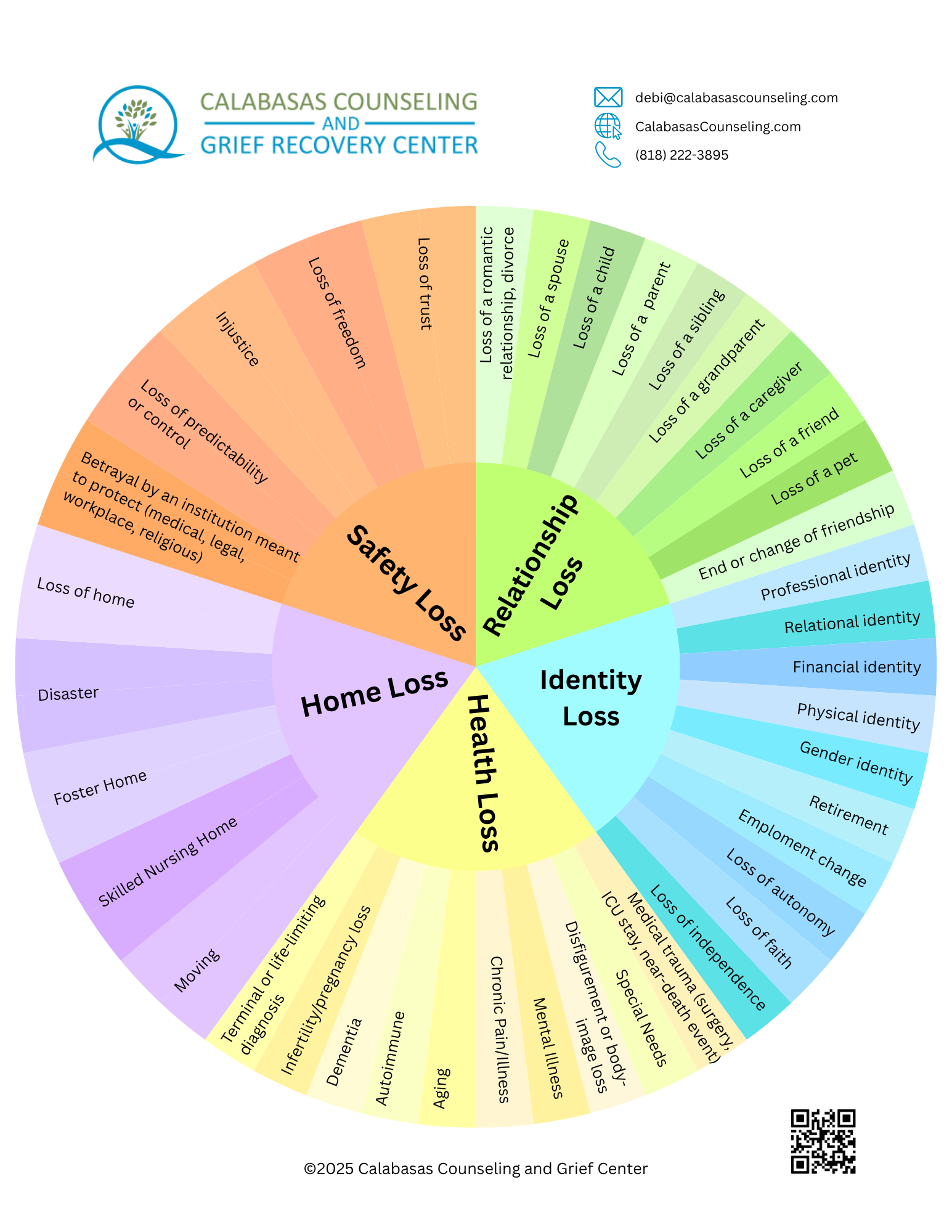
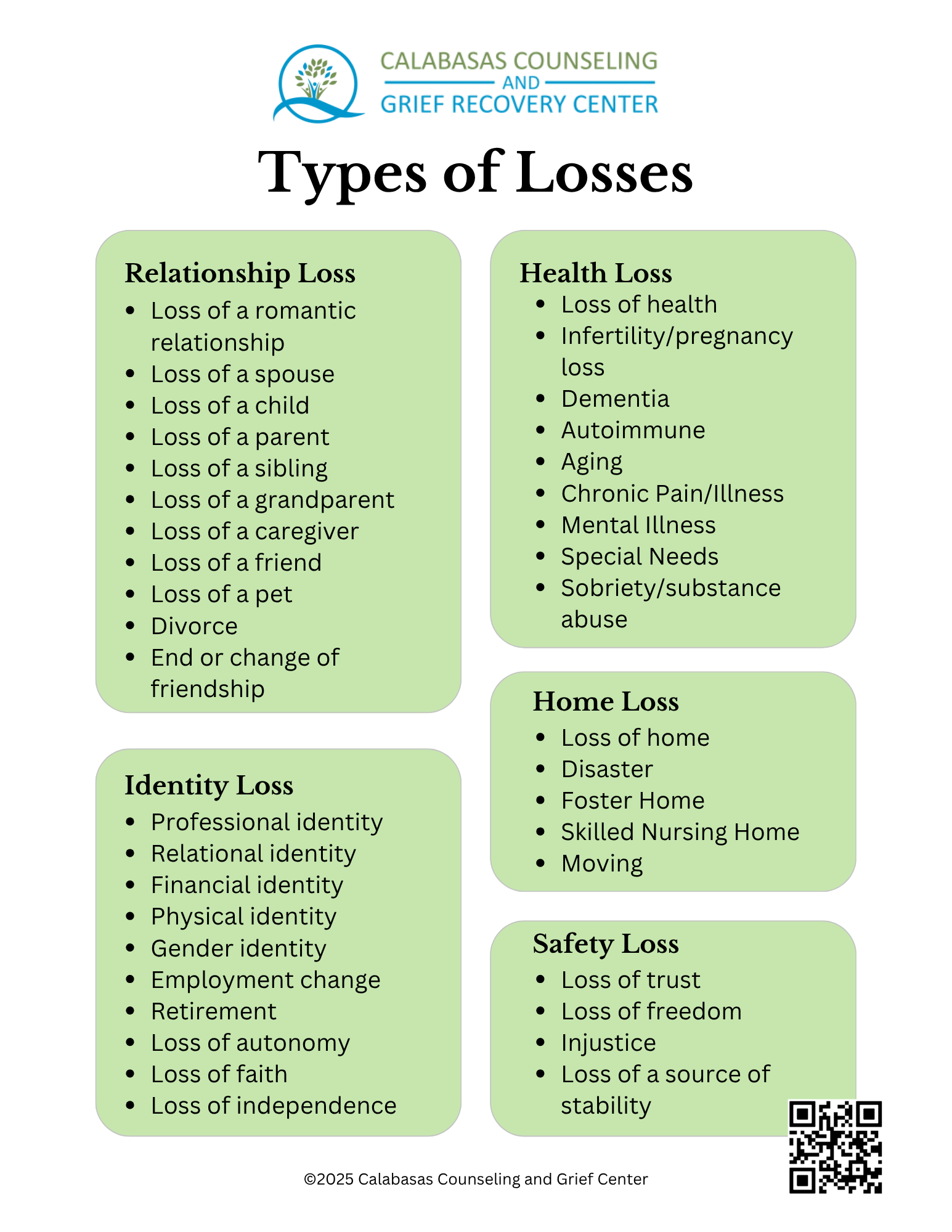
Grief is most often connected to the death of a loved one, but loss takes many forms, and each type of loss deserves to be recognized. At Calabasas Counseling, we work with clients through the full range of grief and loss, from the end of a relationship to changes in health, identity, safety, or home. Understanding the different types of loss is often the first step toward healing.
What is loss?
Loss is any change or end in a relationship, pattern, or familiar way of life. It doesn't always involve physical death, but the emotional impact can feel just as real and profound.
Below are some of the losses we help clients work through. This list isn't exhaustive; grief can take shapes that don't fit neatly into any category, and that's okay too.
Some examples of losses:
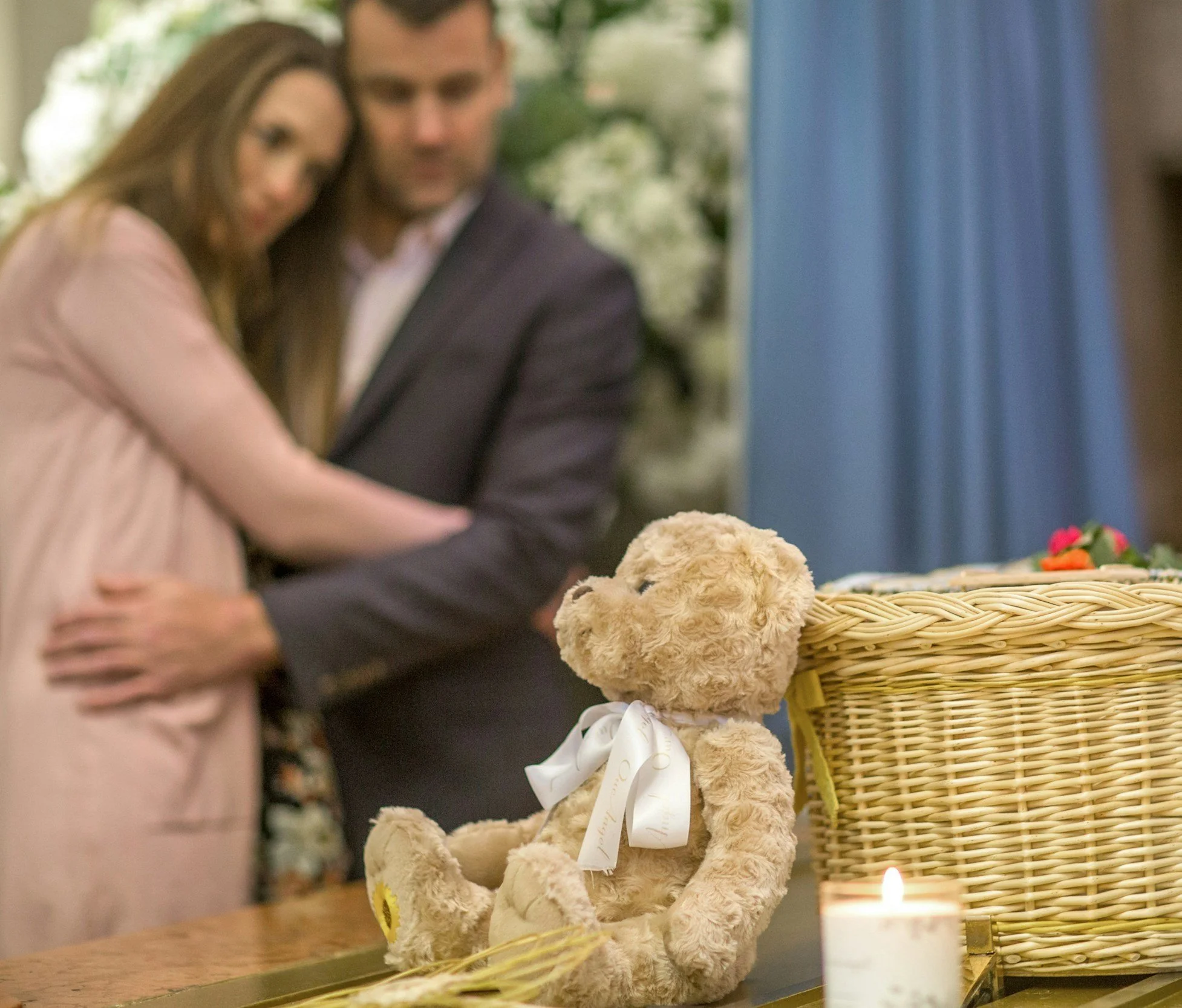
Relationship Loss
Grief often surfaces when a significant relationship changes or ends. Whether you're grieving the loss of a spouse, a parent, a child, a friend, or a pet, these relationship losses can reshape your daily life and emotional world. At Calabasas Counseling, we provide a supportive space to process grief and work through these changes at your own pace.
Loss of a Spouse/Partner
Loss of a romantic relationship
Divorce
Loss of a child
Loss of a parent
Loss of a sibling
Loss of a grandparent
Loss of a caregiver
Loss of a friend
Loss of a pet
Loss of a mentor

Health Loss
Health-related losses carry their own grief, often involving an earlier version of yourself or a future you had imagined. This type of loss can affect not only your body, but also your sense of independence and possibility.
Medical trauma (surgery, ICU stay, near-death event)
Terminal or life-limiting diagnosis
Disfigurement or body-image loss
Infertility/pregnancy loss
Dementia
Autoimmune
Aging
Chronic Pain/Illness
Mental Illness
Special Needs

Identity Loss
When a person experiences a change in their identity they may feel disconnected from who they were before the loss. This kind of loss can be especially disorienting, since it often changes how you see yourself day to day.
Professional identity
Relational identity
Financial identity
Physical identity
Gender identity

Safety Loss
Grief can also stem from a loss of safety. These losses can leave you feeling unsettled or on edge, even when nothing visible has changed. Rebuilding a sense of safety after this kind of loss takes time, and support can make that process easier.
Loss of trust
Loss of freedom
Injustice
Loss of predictability or control
Betrayal by an institution meant to protect (medical, legal, workplace, religious)
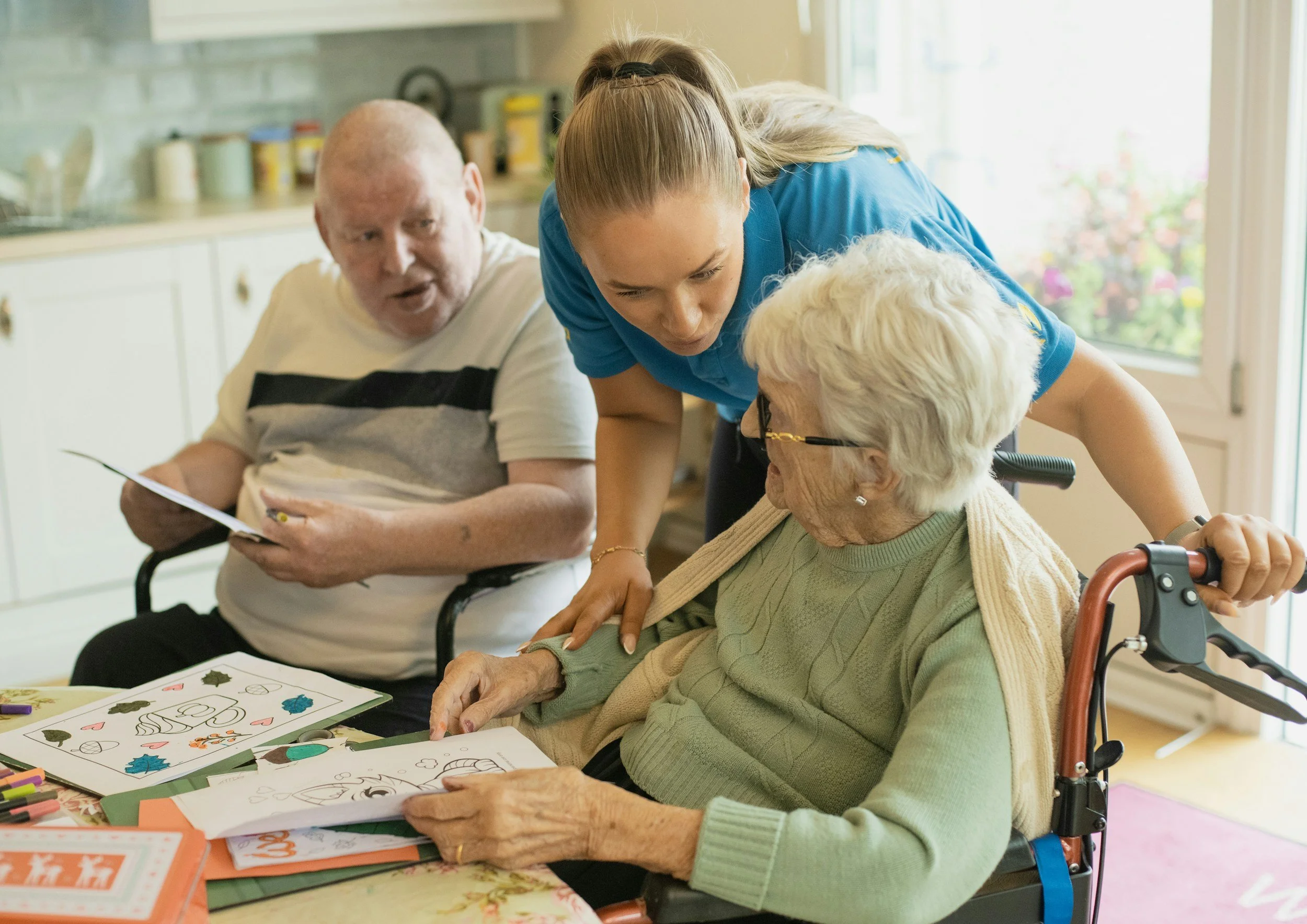
Home/Personal Space Loss
Losing a home can bring on a grief that's often overlooked. Home represents safety and routine, so when it changes or disappears, the loss can be deeply felt. This type of loss often goes unspoken, even though its effects can linger for a long time.
Disaster
Foster Home
Skilled Nursing Home
Moving
Loss of home
Understanding the Fluid Nature of Grief
Grief is not a fixed journey. It can resurface unexpectedly and take on different forms as time goes on. You might feel an initial sense of numbness or shock, while at other times you may experience intense waves of sadness, anger, or even relief. These emotional shifts are a normal part of grief, and you don't have to judge yourself for feeling them.
Honoring Cultural Differences in Grief
Grief is expressed differently across cultures, often shaped by traditions, beliefs, and community practices. Some cultures encourage open, communal mourning, while others hold space for grief more privately or through specific rituals and timelines. Neither approach is right or wrong; grief simply looks different depending on where you come from and what you were taught about loss.
At Calabasas Counseling, we keep this in mind, recognizing the rituals, mourning practices, and emotional expressions that may shape how you experience and process your own loss. We want you to feel free to grieve in a way that honors your background and beliefs, without pressure to fit a single model of what grief "should" look like.
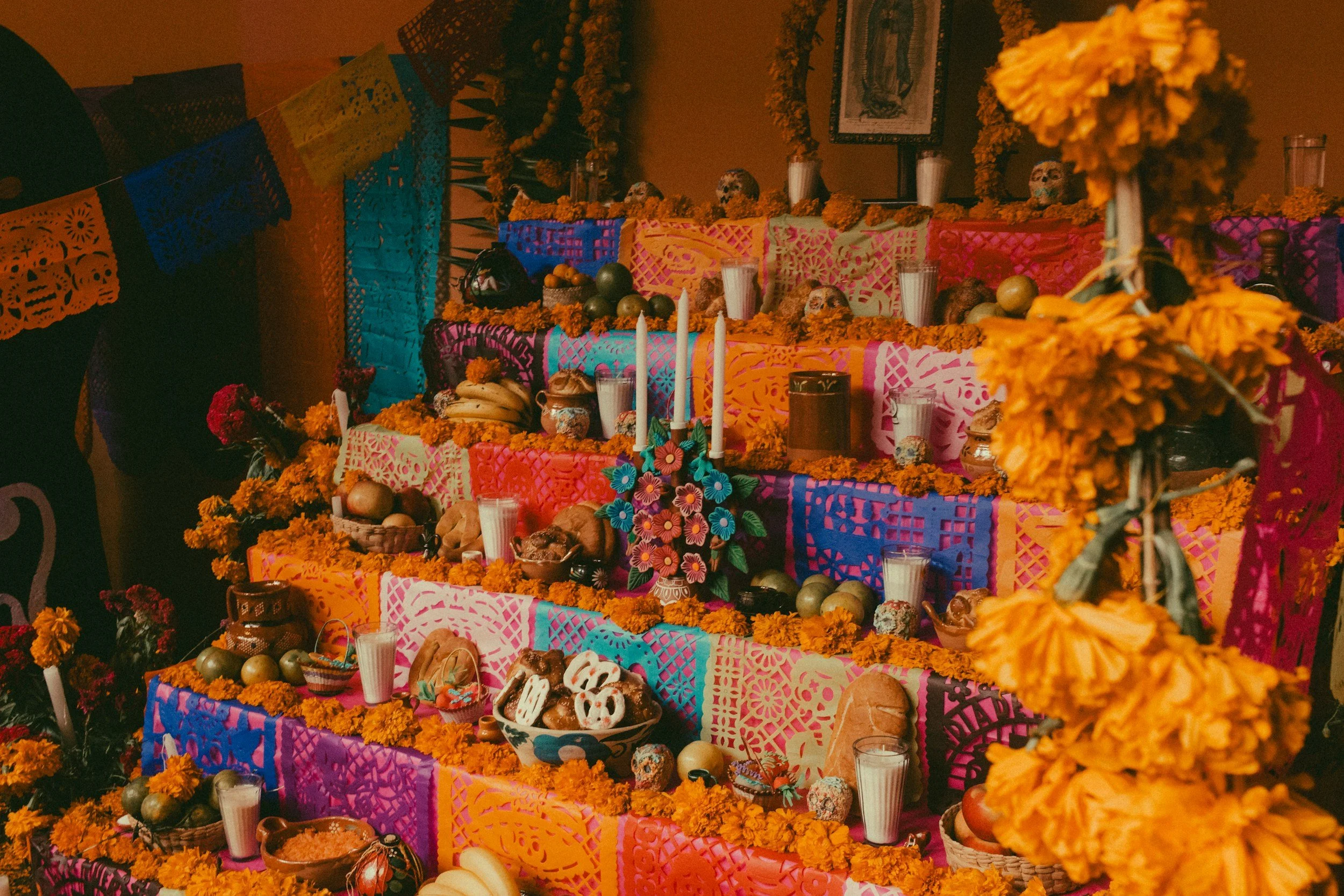
Grief is a deeply personal journey that affects everyone differently. By recognizing the many types of loss and the different ways grief can show up, we're able to offer more compassionate, effective support to the clients we work with. At Calabasas Counseling, our therapists provide a space where you can process loss at your own pace, with the understanding and care that grief deserves. Healing looks different for everyone, and we're here to help you find your way through it.
Looking for support? Contact us today
Other resources
-
Recognizing Symptoms of Grief
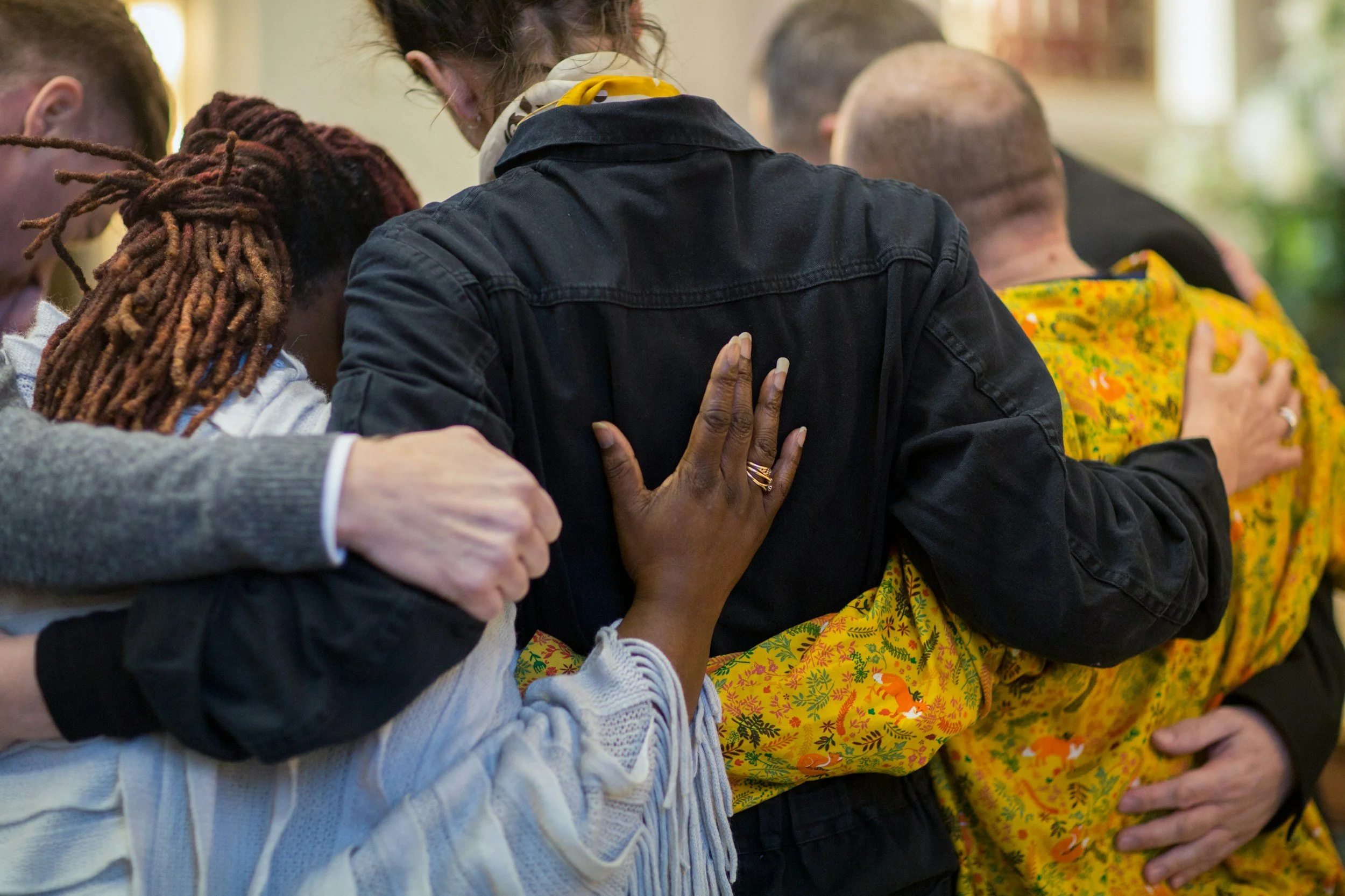
Grief manifests in many different ways physically, mentally, spiritually, socially, emotionally, and more.
-

Coping with Losing a Parent
Losing a parent changes your footing in the world, not just your calendar. A closer look at what that loss actually involves, and why it doesn't move on schedule.